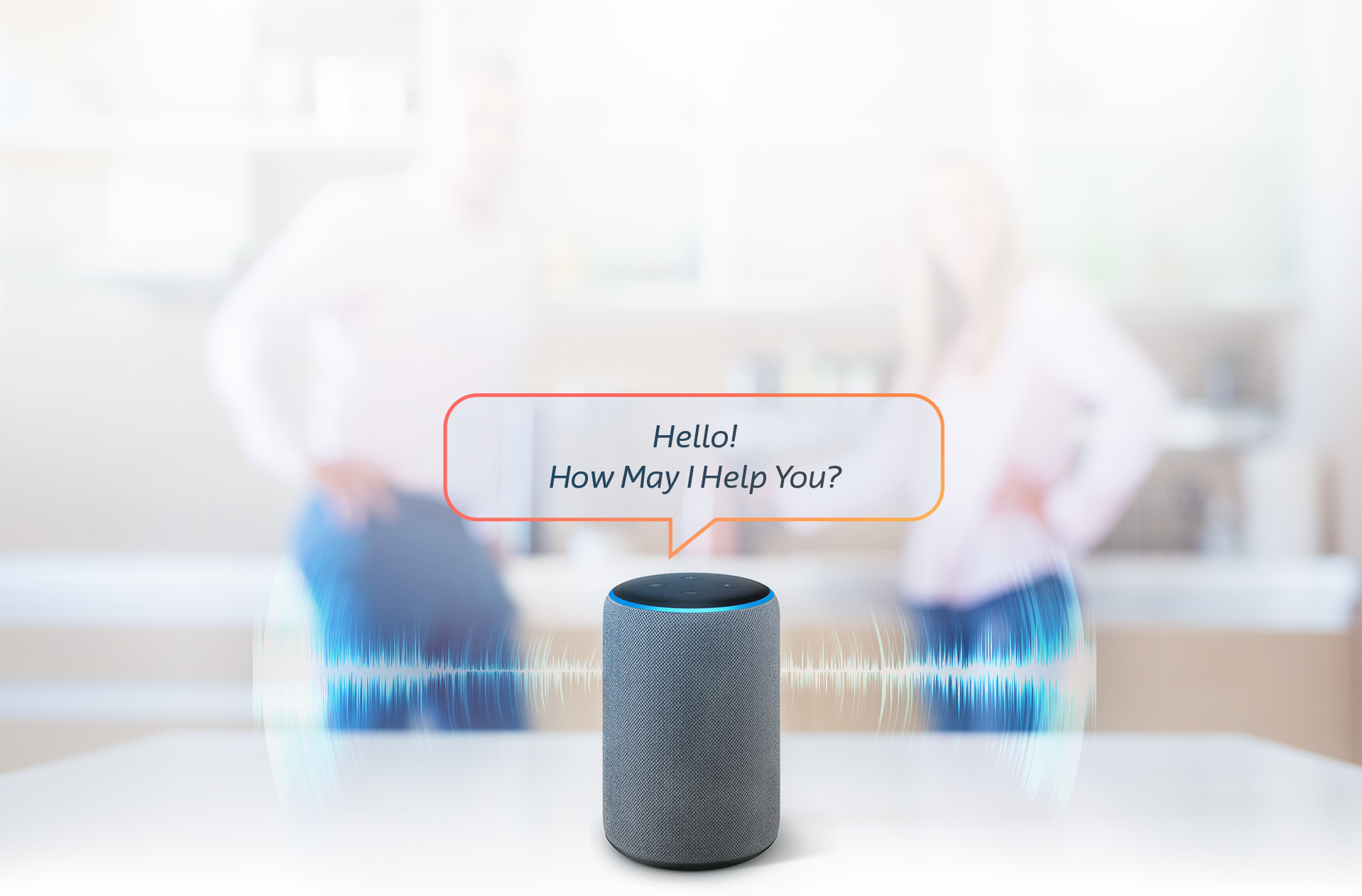
There are several voice assistants available for smart homes, each with its own set of features and compatibility. Here are some popular voice assistants that you can consider for your smart home:
- Amazon Alexa:
- Developed by Amazon, Alexa is one of the most widely used voice assistants. It works with a variety of smart devices and allows you to control lights, thermostats, cameras, and more using voice commands. Alexa is integrated into Amazon Echo devices.
- Google Assistant:
- Google Assistant is Google’s voice-controlled smart assistant that works with a range of devices, including Google Home speakers, Android devices, and third-party smart devices. It integrates well with Google services and provides natural language processing capabilities.
- Apple Siri:
- Siri is Apple’s voice assistant, and it comes built into iPhones, iPads, Apple Watches, and HomePod speakers. Siri works seamlessly with HomeKit-enabled smart devices, allowing you to control your home with Apple devices.
- Microsoft Cortana:
- While Cortana started as a voice assistant for Windows devices, its integration with smart home devices has been extended. You can use Cortana on Windows PCs and other devices to control compatible smart home devices.
- Samsung Bixby:
- Bixby is Samsung’s voice assistant found on Samsung Galaxy smartphones, smart TVs, and some smart home appliances. It integrates with Samsung’s SmartThings platform for controlling compatible smart devices.
- Open-source Voice Assistants (Mycroft, Rhasspy):
- If you’re looking for more customization and privacy, you can explore open-source voice assistant options like Mycroft or Rhasspy. These allow you to set up your own voice assistant using open-source software.
- Sonos Voice (integration with Amazon Alexa and Google Assistant):
- Sonos speakers can be integrated with both Amazon Alexa and Google Assistant, offering flexibility in voice control for your smart home devices.
When choosing a voice assistant, consider factors such as compatibility with your existing smart devices, preferred ecosystem (Amazon, Google, Apple, etc.), and the specific features or capabilities you need for your smart home setup. Additionally, check for updates and new features, as the capabilities of voice assistants continue to evolve.
| Feature |  Amazon Alexa Amazon Alexa |
|
|
|
|
|---|---|---|---|---|---|
| Supported Platforms | Amazon Echo devices, third-party devices | Google Home devices, Android devices, third-party devices | Apple devices (iPhone, iPad, HomePod), Apple Watch | Windows devices, some third-party devices | Samsung Galaxy devices, SmartThings ecosystem |
| Smart Home Integration | Broad support for various smart home devices | Extensive compatibility with smart devices | Primarily works with HomeKit-enabled devices | Integration with Microsoft’s smart home ecosystem | Integration with Samsung SmartThings ecosystem |
| Language Support | Multiple languages including English, Greek | Multiple languages including English, Greek | Multiple languages including English, Greek | Multiple languages including English, Greek | Multiple languages including English, Greek |
| Natural Language Processing | Advanced natural language understanding | Natural language processing and contextual awareness | Natural language processing and context-awareness | Conversational and natural language understanding | Natural language processing and context-awareness |
| Integration with Services | Broad integration with third-party services and skills | Integration with Google services (Gmail, Calendar, etc.) | Integration with Apple services (Music, Maps, etc.) | Integration with Microsoft services (Office 365, etc.) | Integration with Samsung services and apps |
| Device Ecosystem | Echo speakers, Fire TV, Echo Show, Echo Dot, etc. | Google Home speakers, Android phones, Nest devices | iPhones, iPads, HomePod, Apple Watch | Windows PCs, Xbox, some smart home devices | Samsung Galaxy smartphones, Smart TVs, appliances |
| Privacy Concerns | Provides options for privacy settings and controls | Offers privacy controls and data deletion options | Emphasizes privacy; on-device processing for some tasks | Focus on user privacy; data handled with consent | Samsung emphasizes privacy; user control over data |
| Customization and Skills | Large number of third-party skills and integrations | Extensive library of Actions and third-party integrations | Limited third-party app support; focuses on SiriKit | Limited third-party skills; integration with Microsoft services | Limited third-party skills; integration with Bixby Marketplace |
| Cross-Platform Functionality | Limited cross-platform functionalities | Extensive cross-platform functionalities | Limited to Apple ecosystem; Handoff feature | Integrates with Microsoft services and some third-party platforms | Samsung ecosystem-centric; integration with SmartThings |




Leave a Reply